

AFTER DARK
Photography by Anne Veraldi, Randall Whitehead and Chris Komater
Images of Bodies Surrounded by, Emerging from and Engaging with the Dark
Anne Veraldi
We live in an infinitesimally small space squeezed between the past and the future. The tiny instant that is gone in the blink of an eye or the click of the shutter. As photographers, we try to hang on to this nano second, this fleeting image before it becomes a faded memory.
This series consists of abstracted photographs of people and the general milieu of the neighborhood. The figures, vague silhouettes bathed in artificial light, become part of the architecture of their surroundings. My images, combined to reflect the progression of walking along a street, are the ephemeral glimpses of life that we inadvertently encounter and are etched in our subconscious memory.
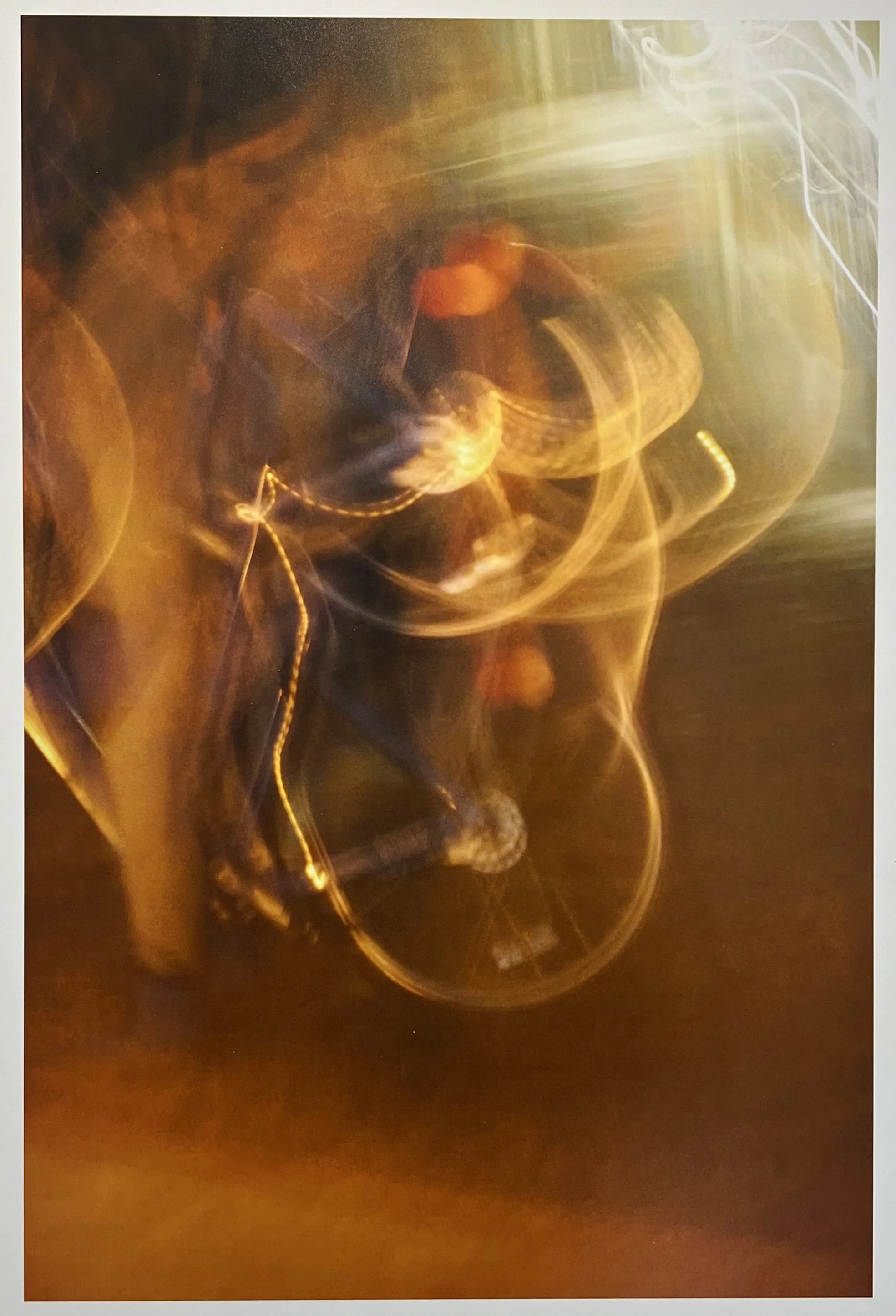
Mission Street Journal 08/26/2022, (1/9), 22x17”, digital C print
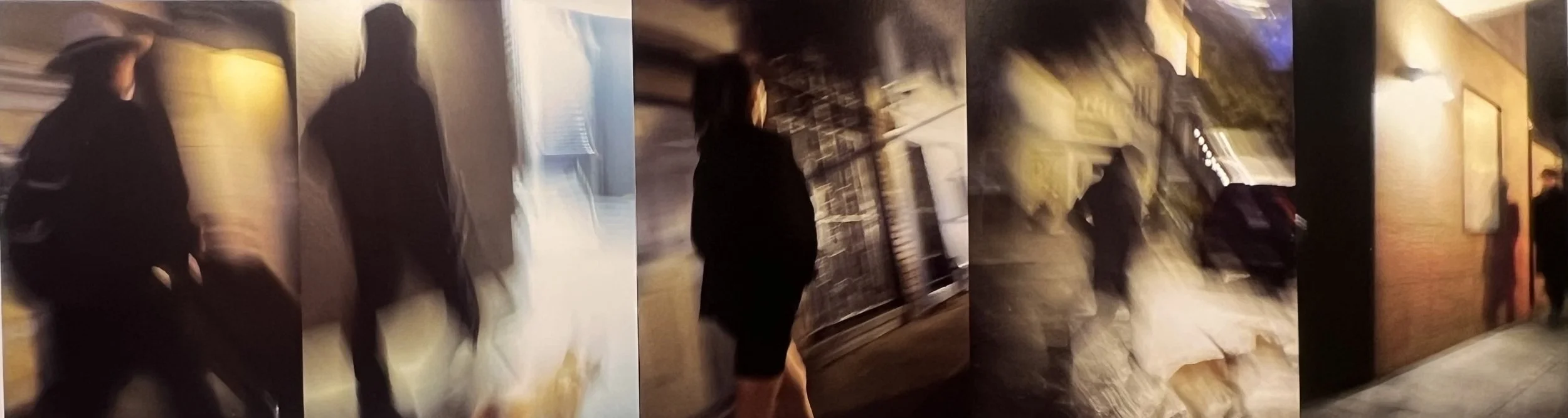
Peripheral Vision #2, (1/5), 2023, 17x55”, digital C print
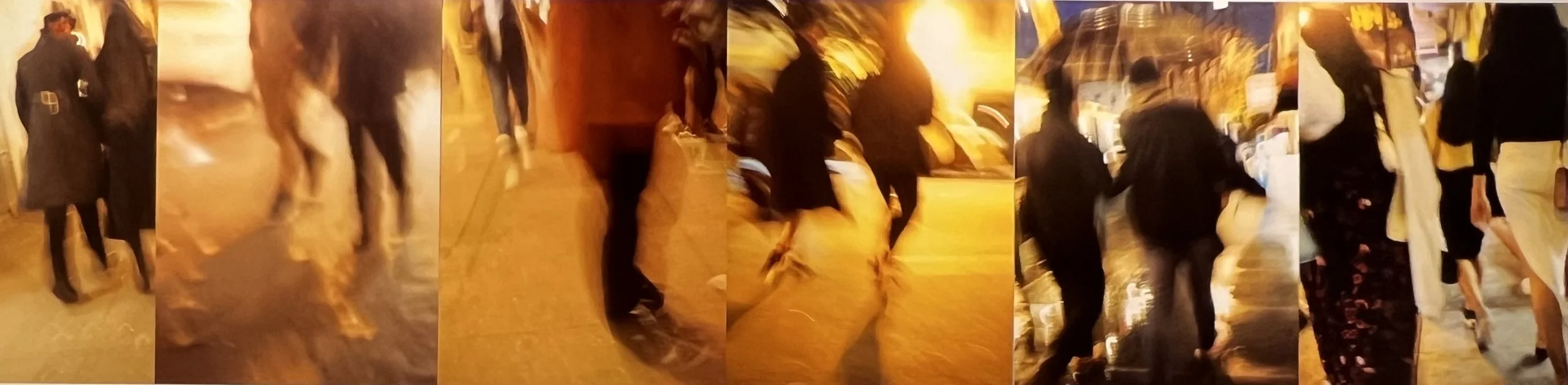
Peripheral Vision #3, (1/5), 2023, 17x66”, digital C print
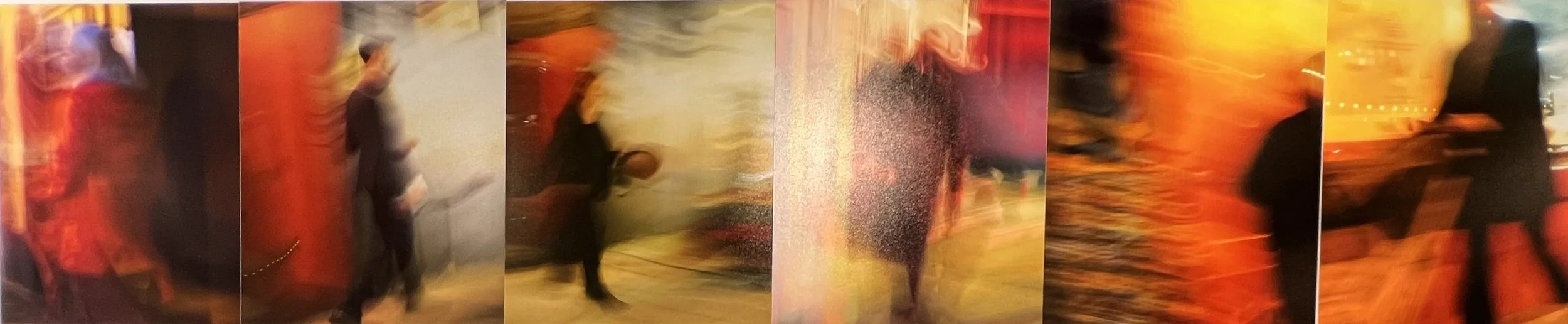
Peripheral Vision #4, (1/5), 2023, 11x51”, digital C print
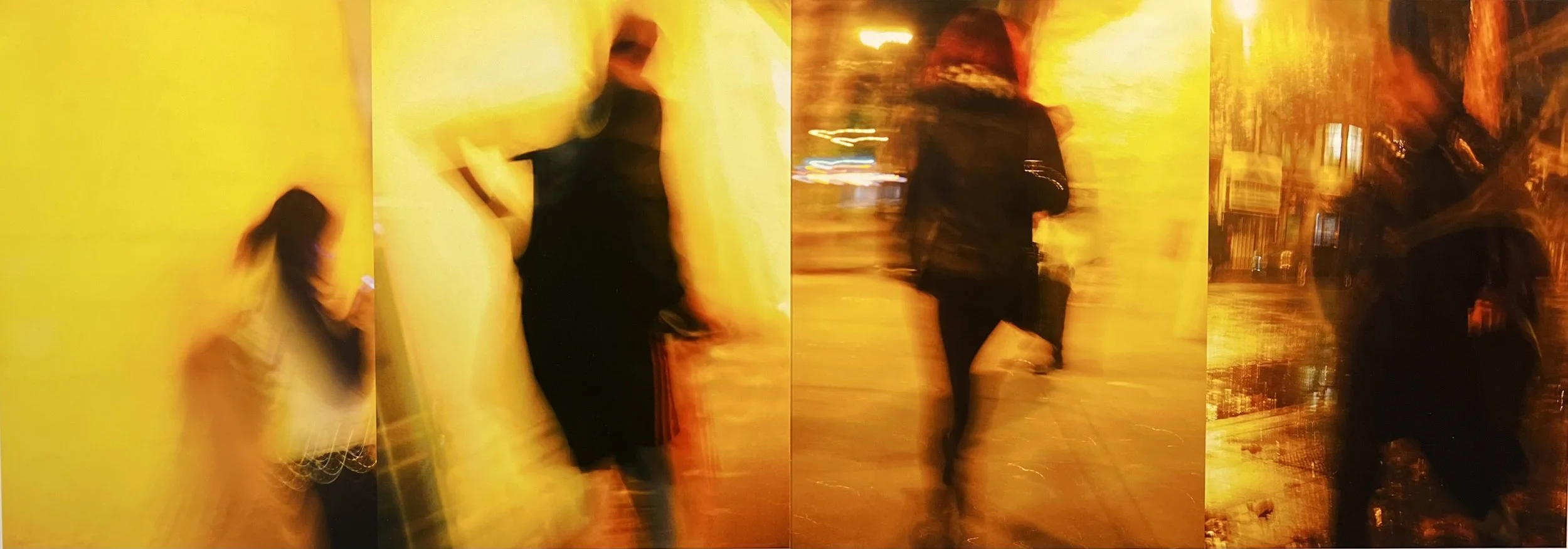
Peripheral Vision #5, (1/5), 2023, 17x44”, digital C print

Peripheral Vision #6, (1/5), 2023, 11x42”, digital C print
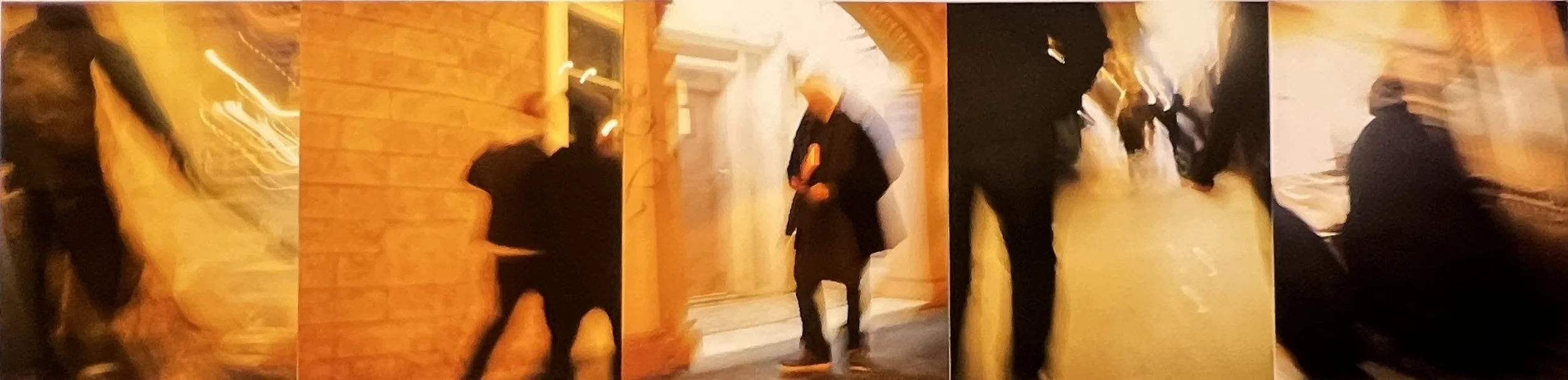
Peripheral Vision #8, (1/5), 2023, 11x42”, digital C print
Randall Whitehead
Randall Whitehead Statement
Randall Whitehead has been capturing moments through photography since college. He grew up in Delaware and after graduating, drove across the country immediately to San Francisco. A city where he had never been, knew no one, and didn’t have a job. He started as a photojournalist for magazines and newspapers, moving into fine art photography as he documented the people and places of his newly adopted city.
Now, one of his goals is to introduce San Francisco to the rest of the world as a refuge for anyone who felt unwelcome elsewhere in a series, he calls Family. His series called Almost Human, exhibited in After Dark explores the allure of mannequins, who tend to mimic and mock humankind at the same time. Disrupted Space reveals the moments which are hidden in between time. Empty is his photographic representation of abandonment. Dom’esticated playfully pulls back the curtain to reveal a BD couple doing everyday activities. His Latest series is call Plumage, which explores the feathers of chickens and roosters
His current book of images is Lost Dolls, The Hidden Lives of Toys
ALMOST HUMAN Series
As a kid, I was greatly affected by an episode of the Twilight Zone called “The After Hours“, where a woman slowly comes to realize that she is actually a mannequin. This was the beginning of my fascination with them.
I have been most attracted to mannequins that were created between the 1940s in the 1980s, when they were based on real people. The ones that are used today are much more generic. They are often faceless, and sometimes they are even headless. These hold no allure for me.
I have found vintage models all over the world. Often the most intriguing ones I find are in the poorest neighborhoods, where the shopkeepers have not been able to purchase new ones. It is hard to find mannequins of color from that period, I commonly see them more in the tropics and southeast Asia.
I like to photograph them with a black background. In a way I am doing glamour shots of them which are reminiscent of the portraits of movie stars in the 1930s and 1940s taken by George Harrell, the great American photographer.
ALL PRINTS are 30” x 40”, Archival pigment on acid free rag paper, editions of 10.
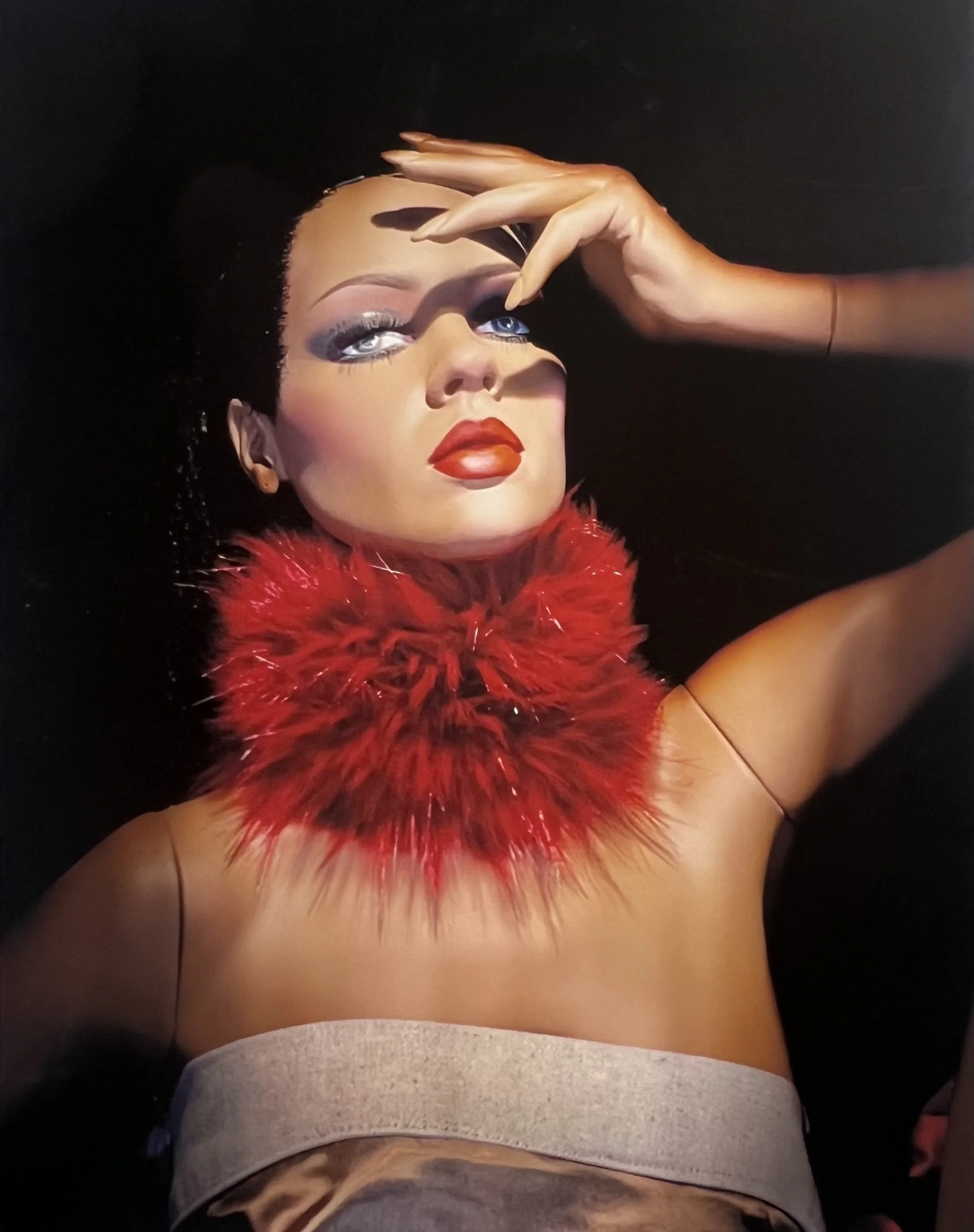
Diva
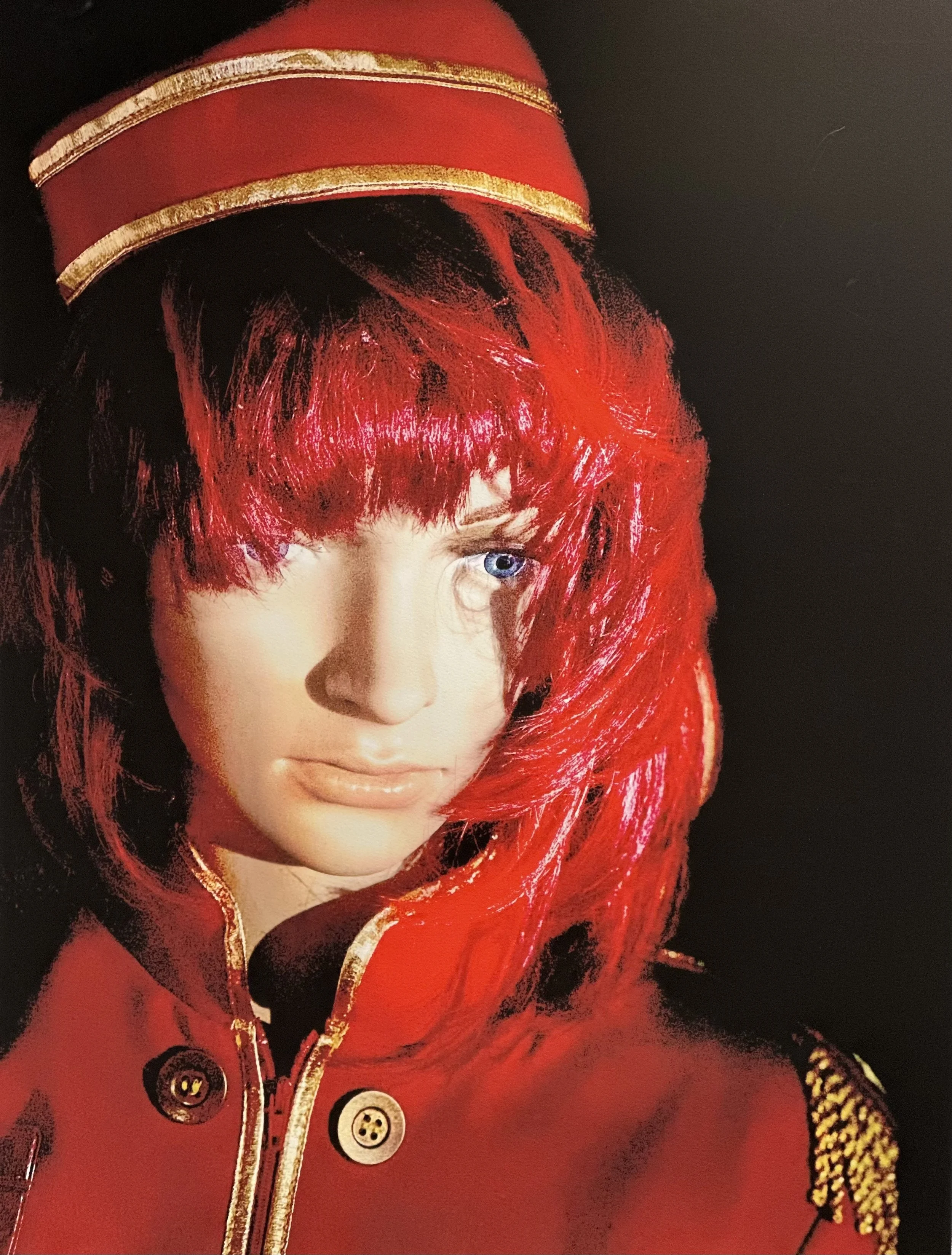
Usherette

Determined
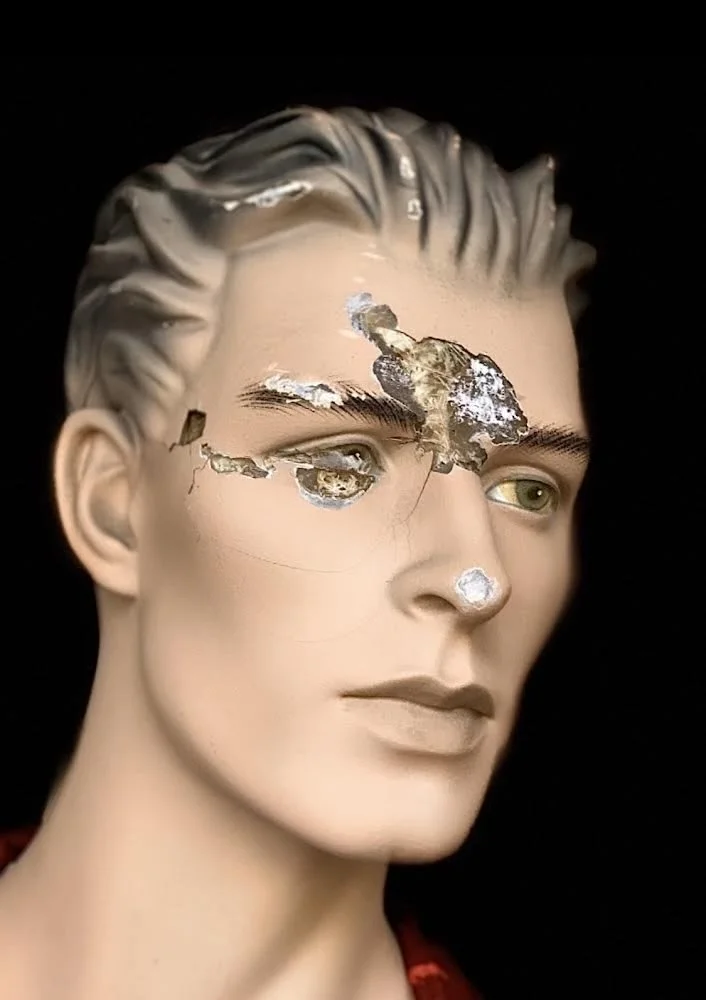
Survivor
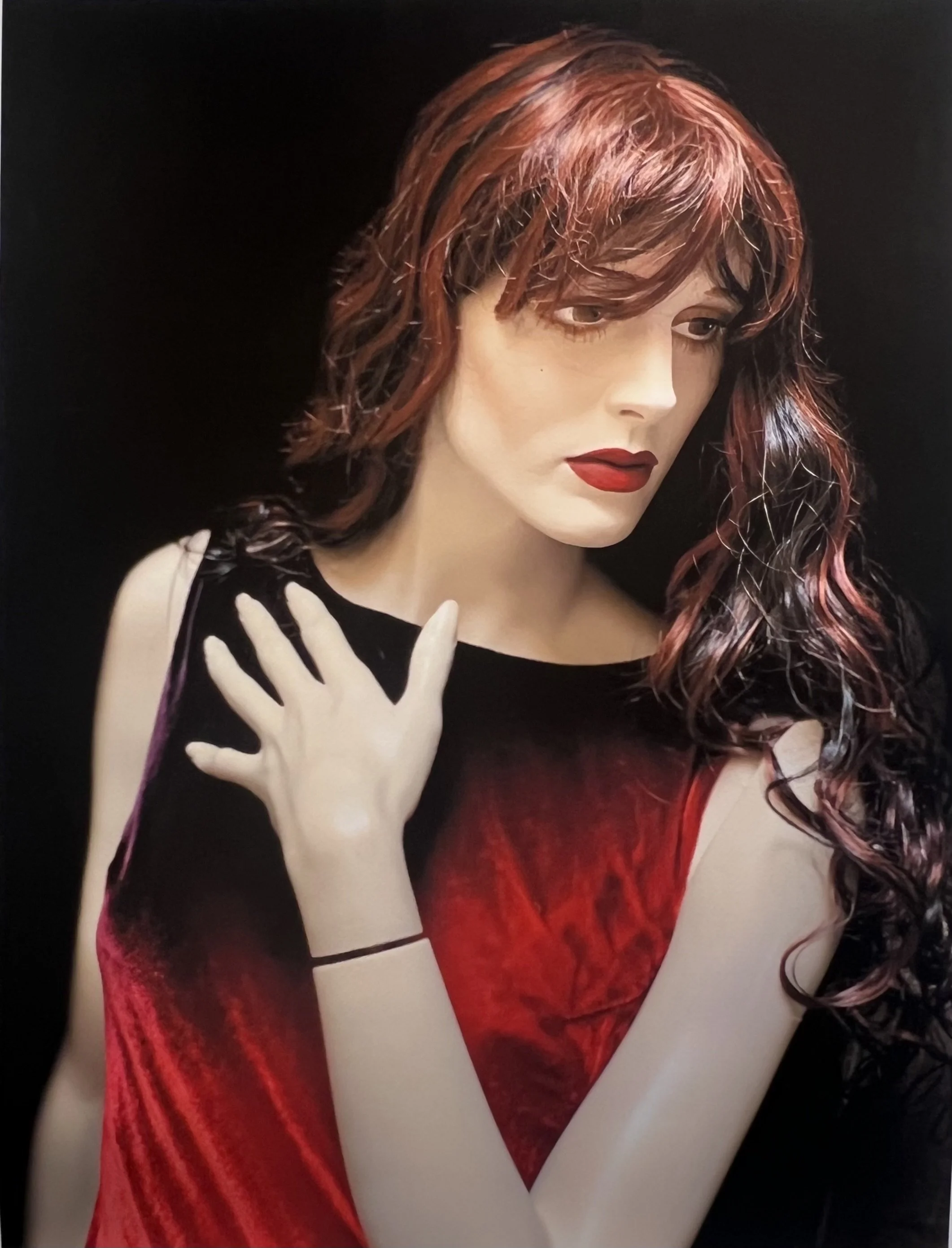
Grace
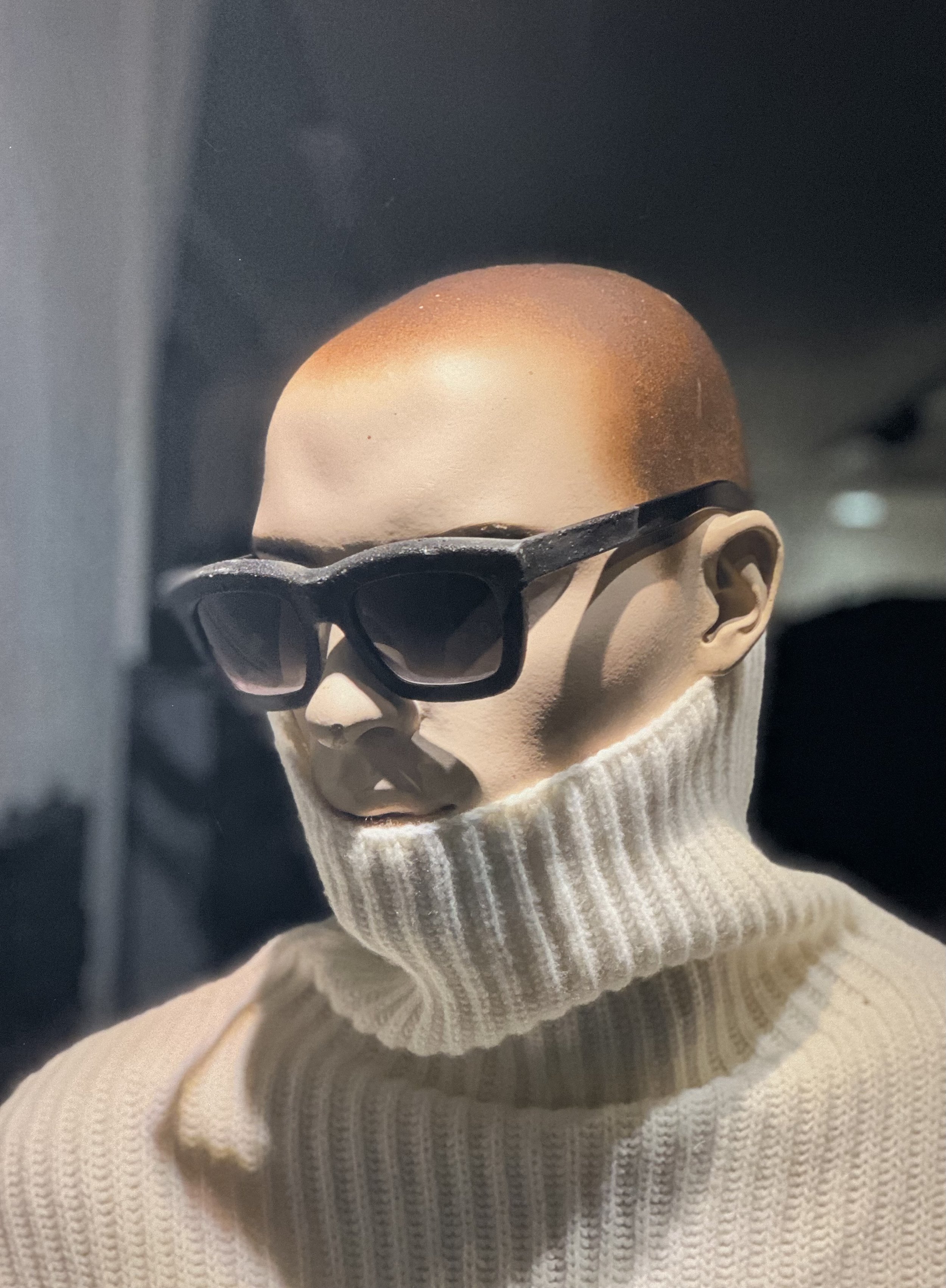
Under Cover
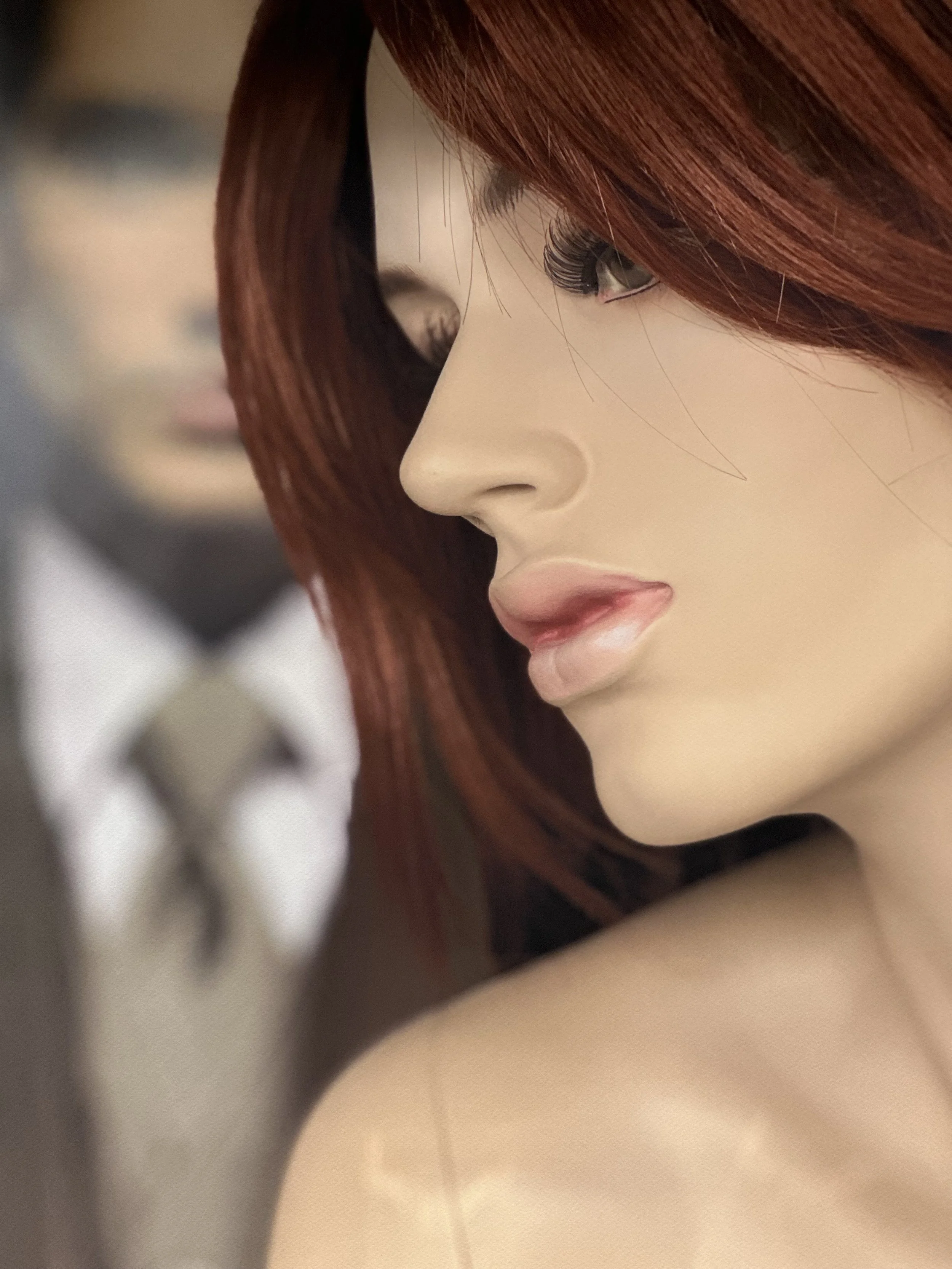
Longing

Cheek Bones
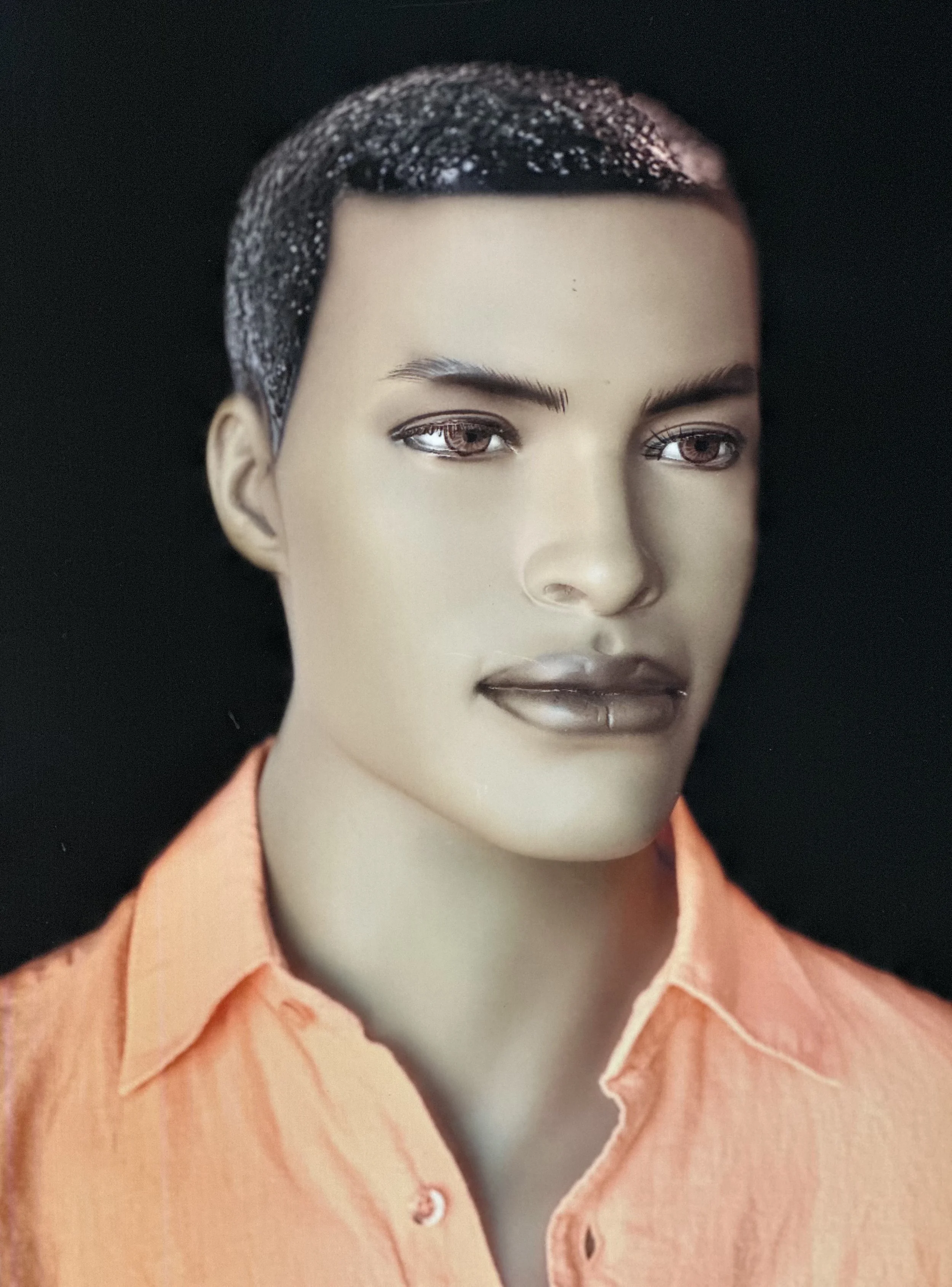
Resigned
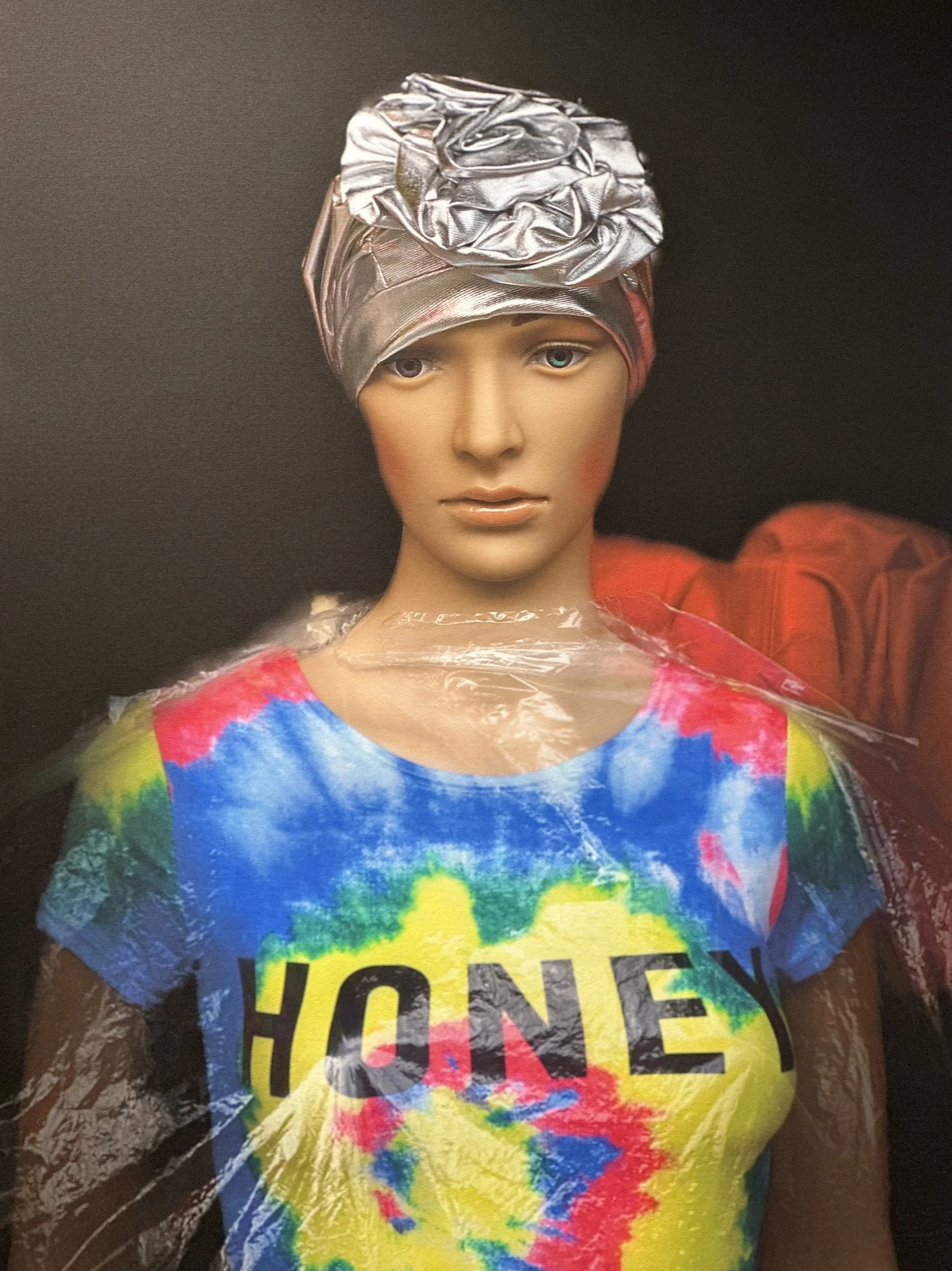
Honey
Chris Komater
Chris Komater is a San Francisco-based artist. His photographs and sound installations have been shown at Cheryl Haines Gallery, Patricia Sweetow Gallery and the LAB Gallery in San Francisco; Mercury 20 in Oakland; Jan Kesner in Los Angeles; Bernard Toale in Boston, and many other venues. He is the recipient of a WESTAF-NEA Visual Arts Fellowship, a Market Street Art-in-Transit grant, and was the founding director and curator of Secession Gallery, a gallery without walls in San Francisco, and the online arts venue Marjorie Wood Gallery.
THUNDERCRACK!
Thundercrack! is a series of photographic grids made from images of light falling on a large hairy man’s legs and underside. The images are arranged to resemble bolts of lighting, streaking across the night sky. Seeking alternate ways of presenting a body type that has historically received little artistic attention, Komater has focused not on the body itself, but on how light softly illuminates its sensual qualities. He’s created a different kind of visual encounter with this body type to take us away from what we think we might know about it, and to experience it in a new way.
Thundercrack! gets its title from the 1975 underground film of the same name by filmmakers Curt McDowell and George Kuchar. The film is a classic pornographic horror comedy that has little to do with Komater’s photographic installation, other than naked bodies and Chris’ fondness for appropriation and exclamation points.
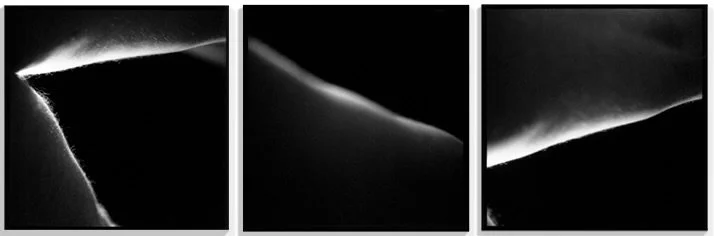
Thundercrack! (II), 2002, 3 framed gelatin silver prints, Edition 1/1, 51.5 x 16.5”
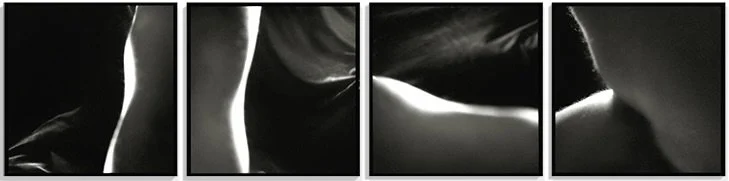
Thundercrack! (IV), 2002, 4 framed gelatin silver prints, Edition 1/1, 69 x 16.5”
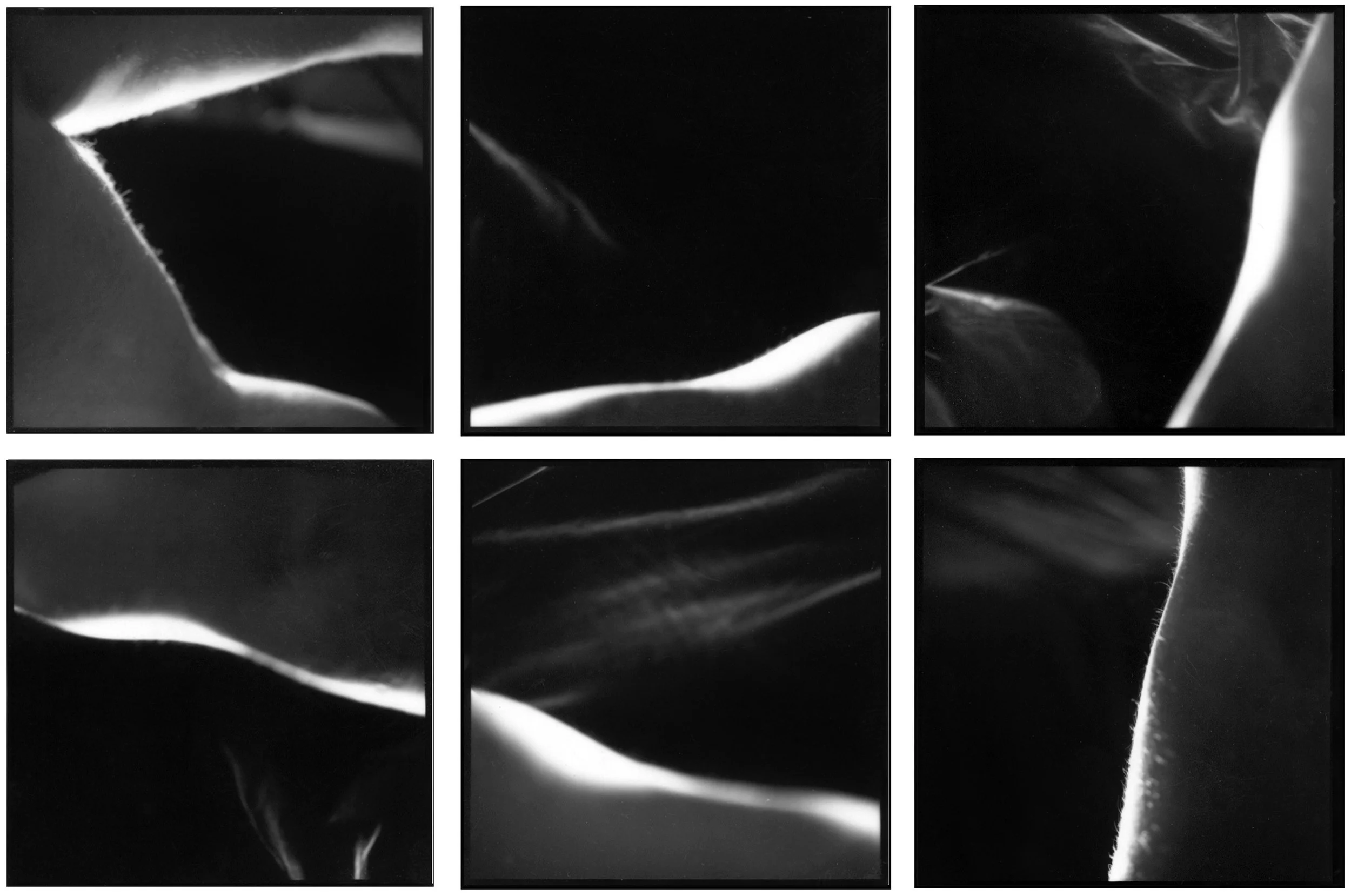
Thundercrack! (III), 2002, 6 framed gelatin silver prints, Edition 1/1, 51.5 x 33”
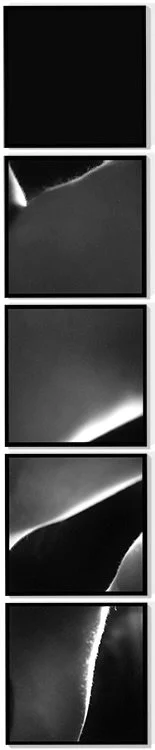
Thundercrack! (VI), 2002, 5 framed gelatin silver prints, Edition 1/1